Plaza Mobile:a native app for people who work in stores
The most frequent task in the store, from 5 steps to 2 scans and 75% less time.
- from 5 to 2
From 5 steps to 2 scans for the link operation
Count · Flow analysis - -75%
Time to link a product to a shelf label
Pilot group · Product Owner, analytics on the pilot stores of pilot clients - 100%
Of customers who adopted Plaza Mobile stayed with it
Measured · DataLoad, customer analytics
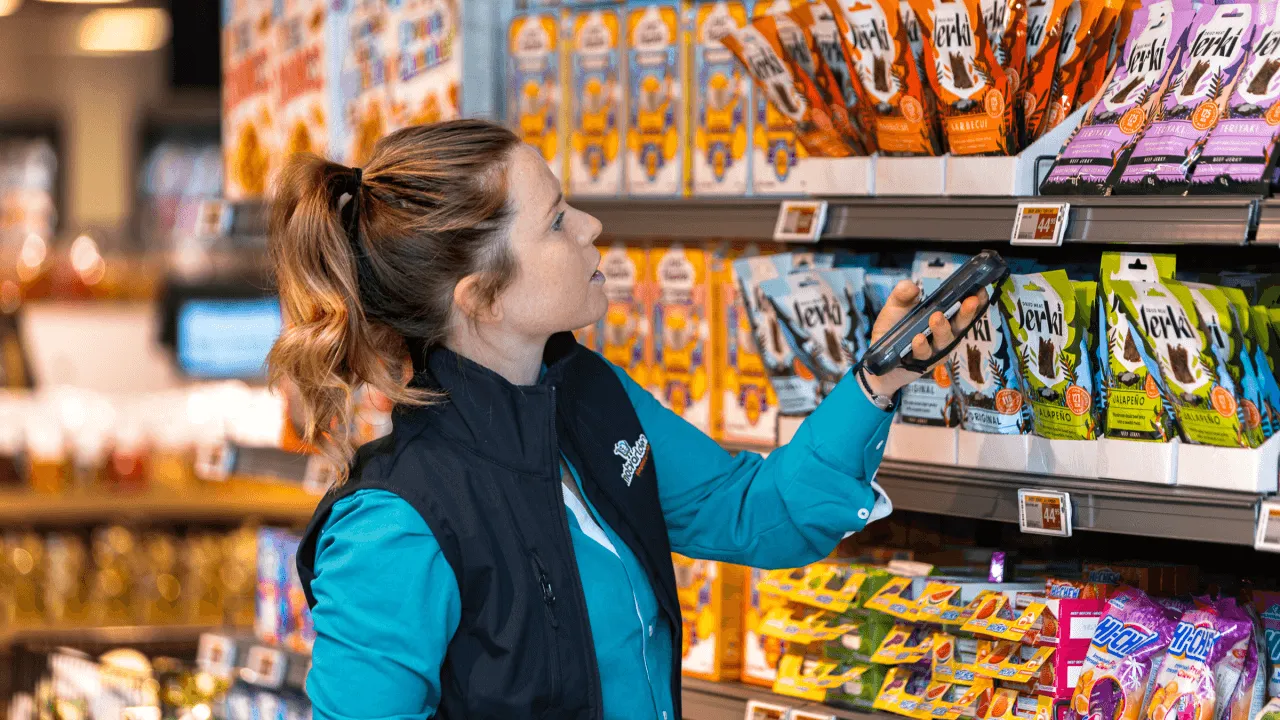
In shortStore operators had a 15-year-old app built on the system's logic and a replacement that never stabilised. We started from scratch, from how operators think: products, labels, tasks. Linking a product to a label went from 5 steps to 2 scans, with 75% less time in the pilot stores.
Start from the operator, not the system
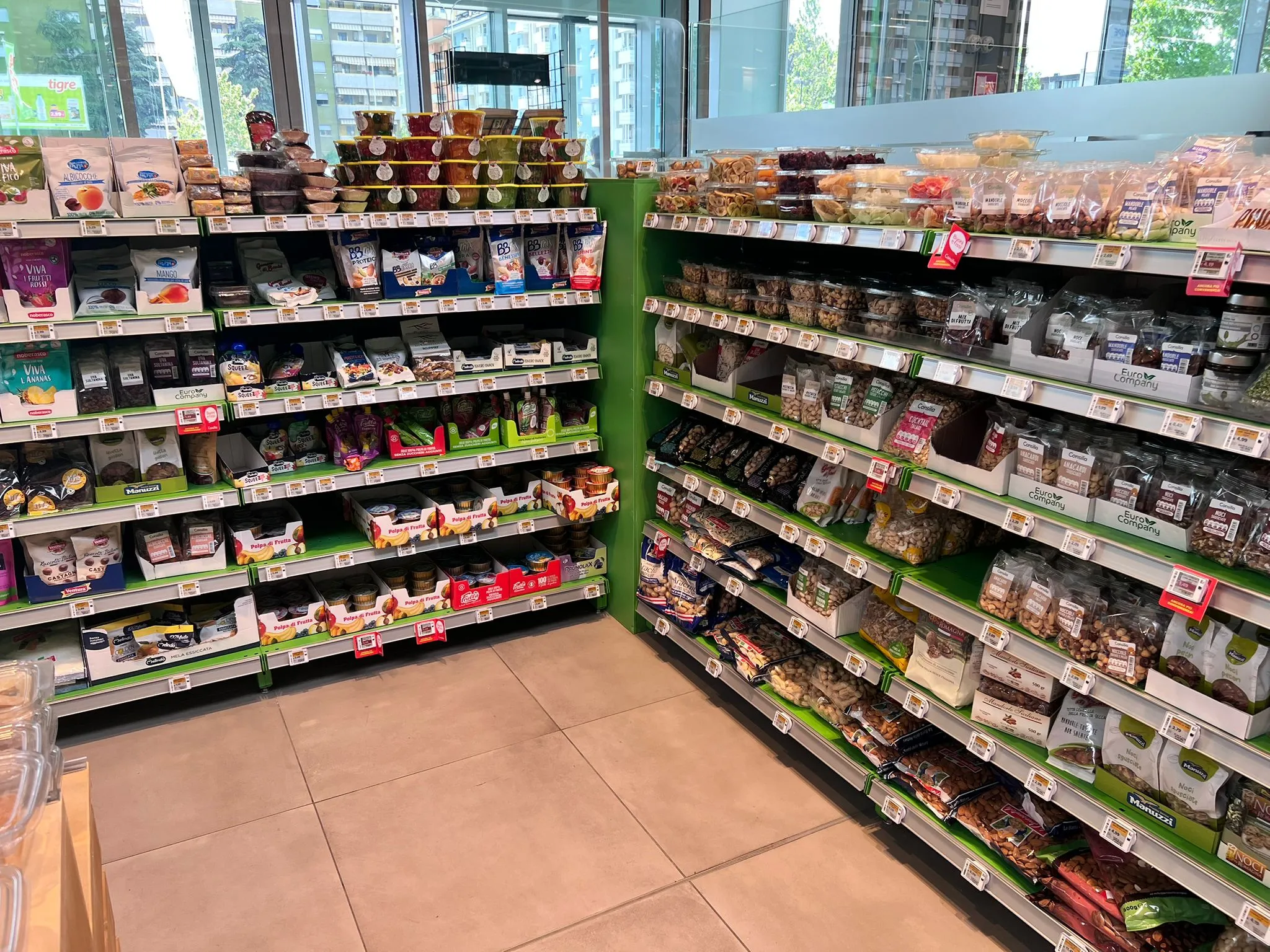
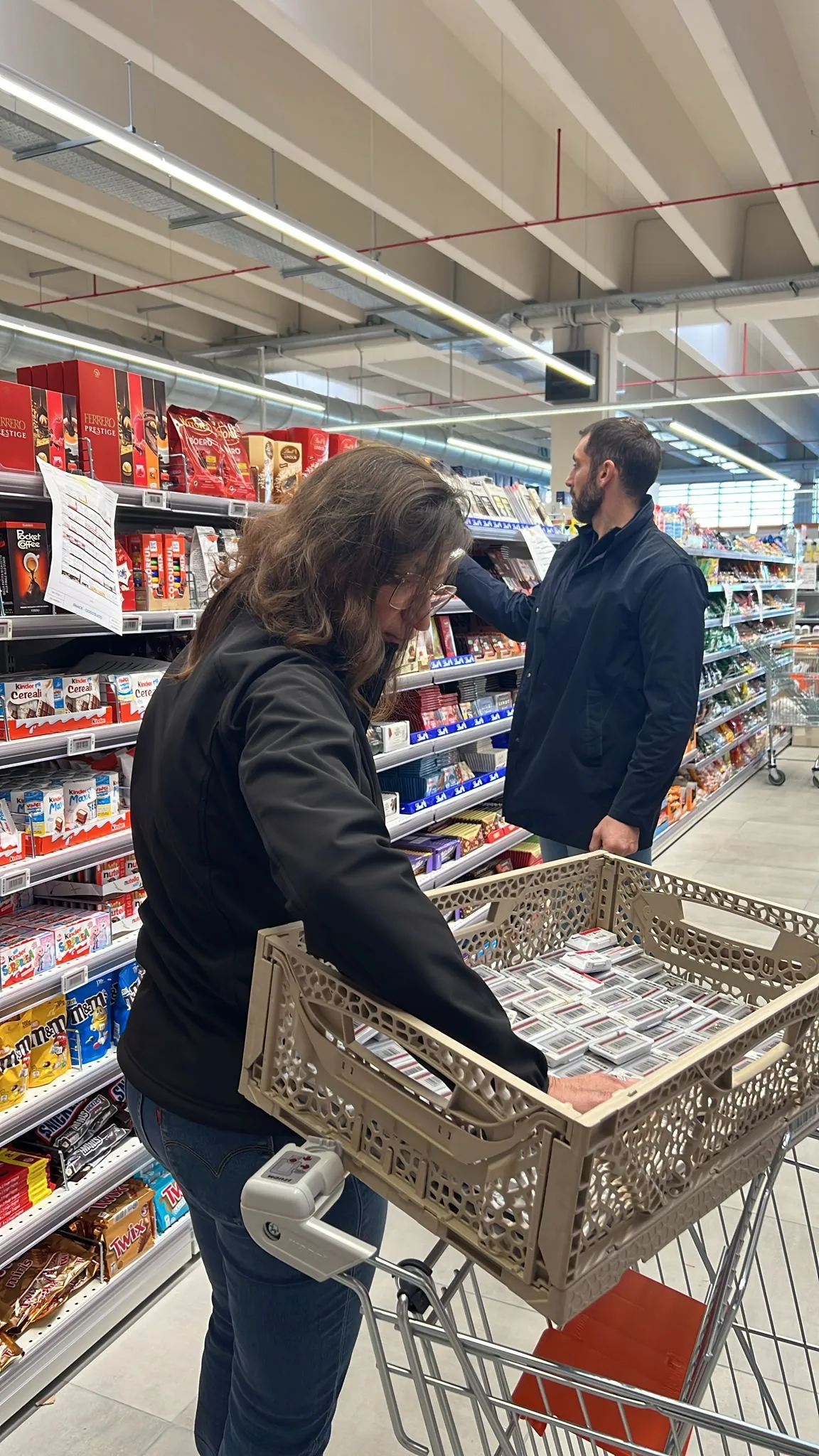
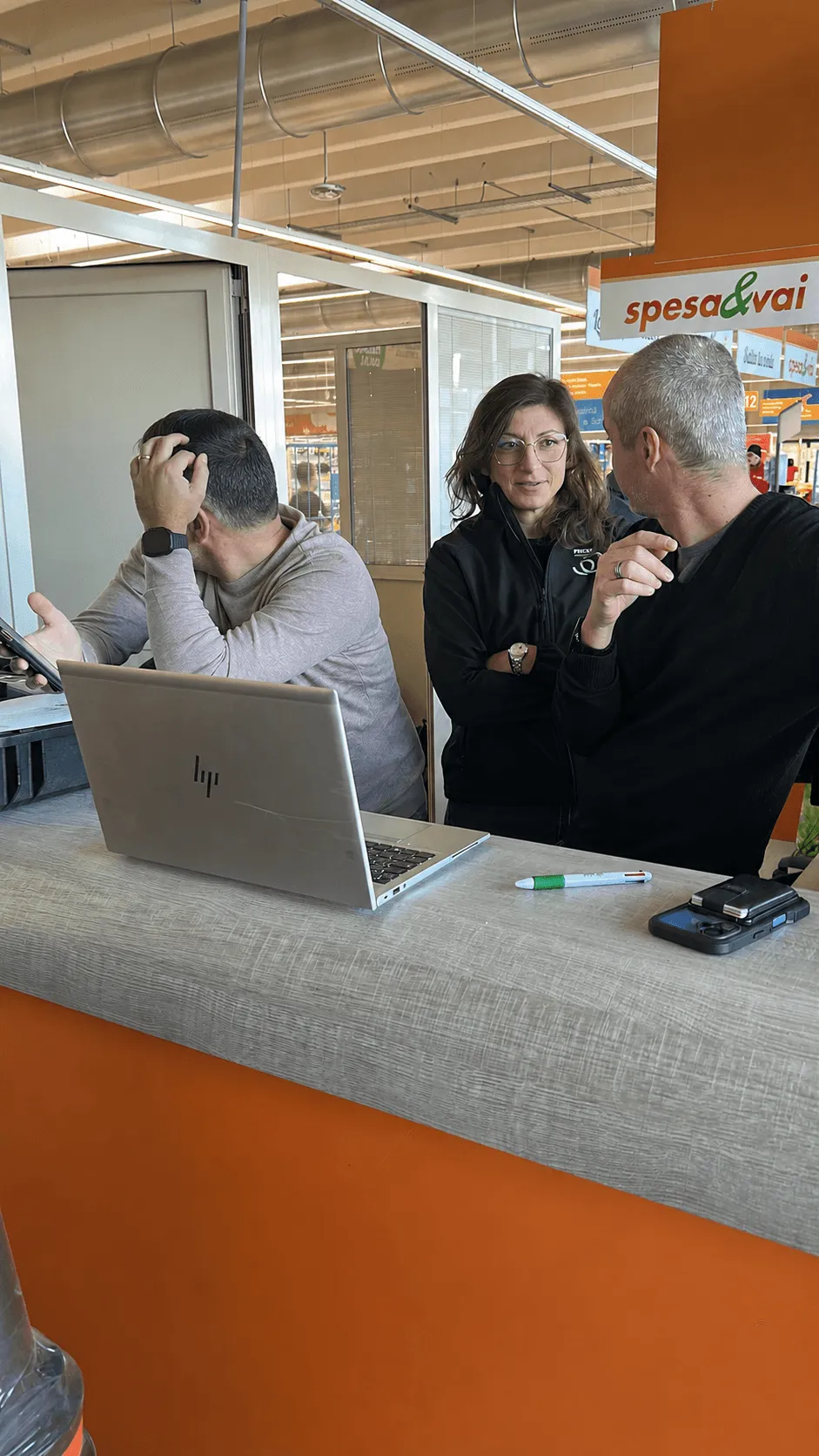
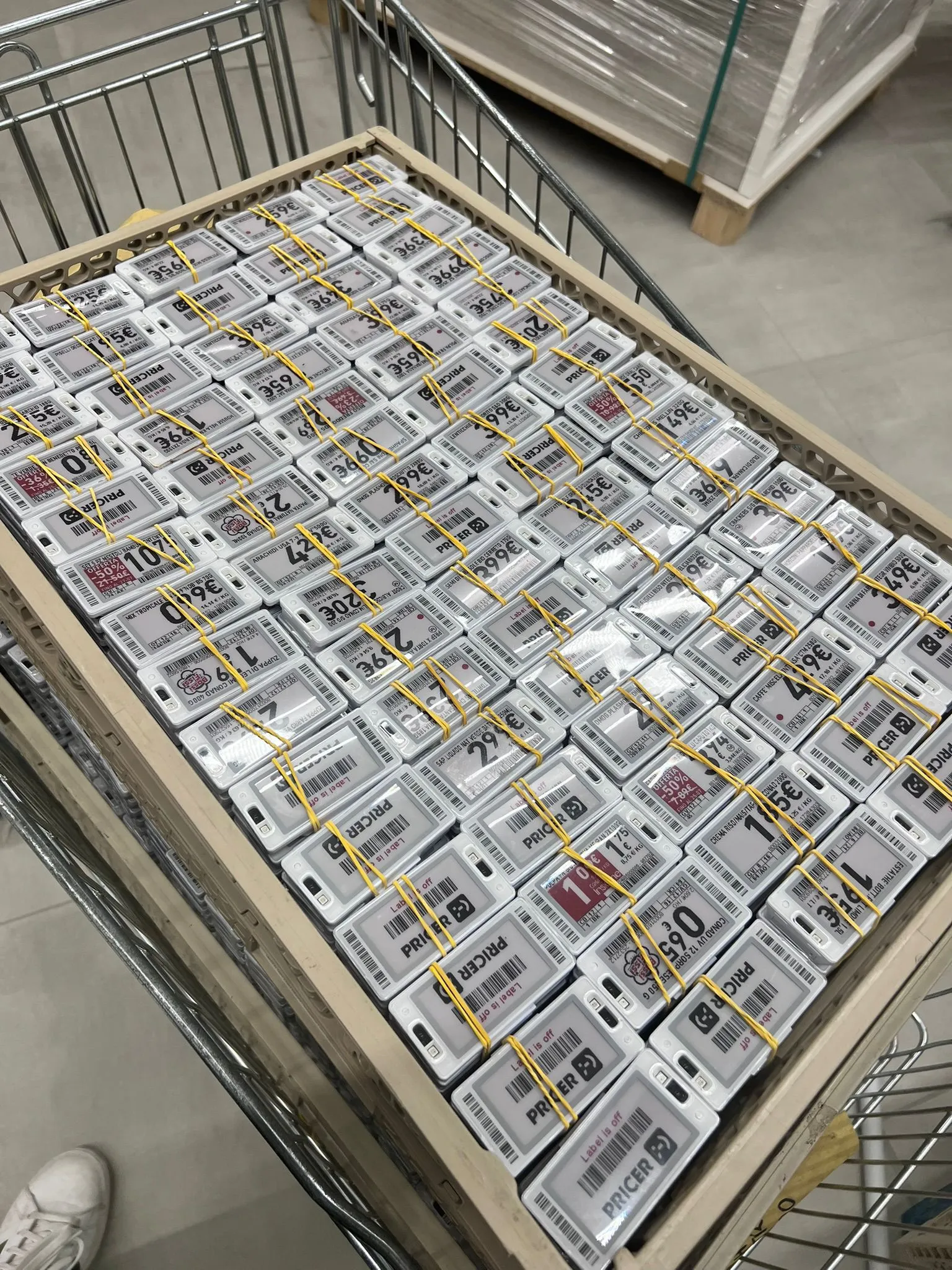
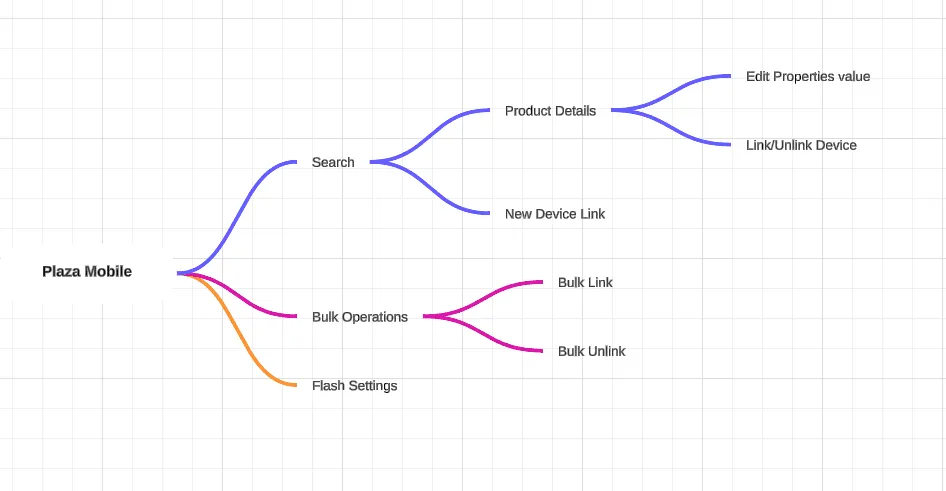
Store operators had two apps. SmartApp, in use for more than 15 years, followed the logic of the system, and it took months for the steps to become second nature. StoreApp, meant to replace it, was limited and unstable. After 6 months of trying to stabilise it, we started from scratch. I mapped how operators work, in stores and on the shop floor. They think in products, labels and tasks, so the navigation does too.
“I know this app better than I know my own phone. That doesn't mean it's good: it means I had no choice.”
Remove steps, let the system do the work
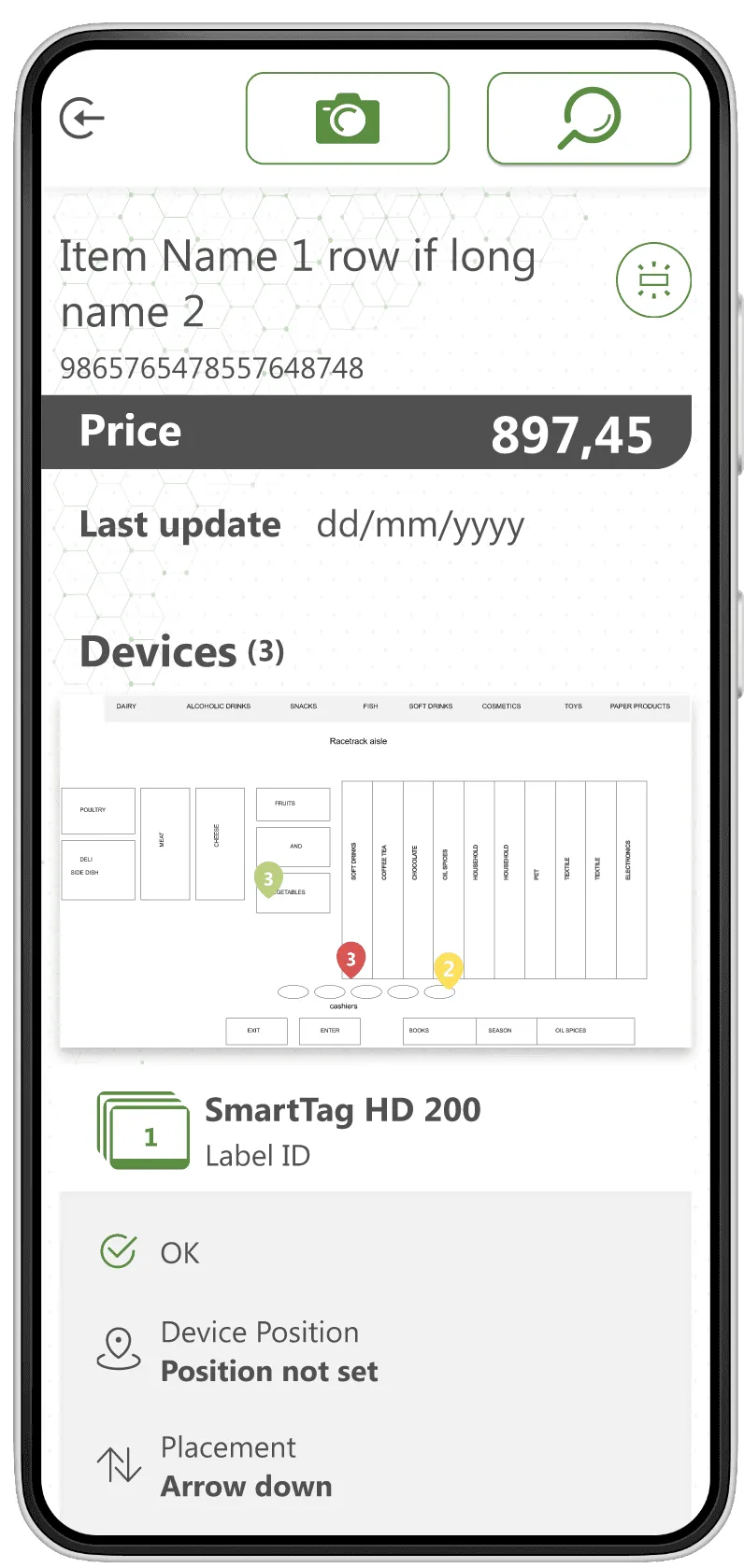
Linking a product to a shelf label is among the most frequent operations in a store, and it took 5 steps. Working on the Product Owner's flows, I handled the information architecture and proposed asking the user for less data and fetching the rest through API calls. Today the operator scans the product and the label from the home screen.
The navigation follows how operators think, not how the system is built.
- Open a submenu
- Open the link feature
- Scan the first barcode
- Enter parameters by hand
- Scan the second barcode
- Scan the product
- Scan the label
From the home screen, no menus
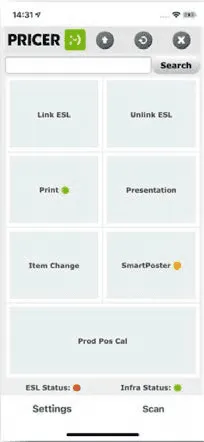
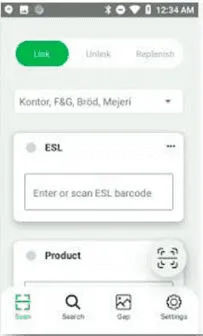
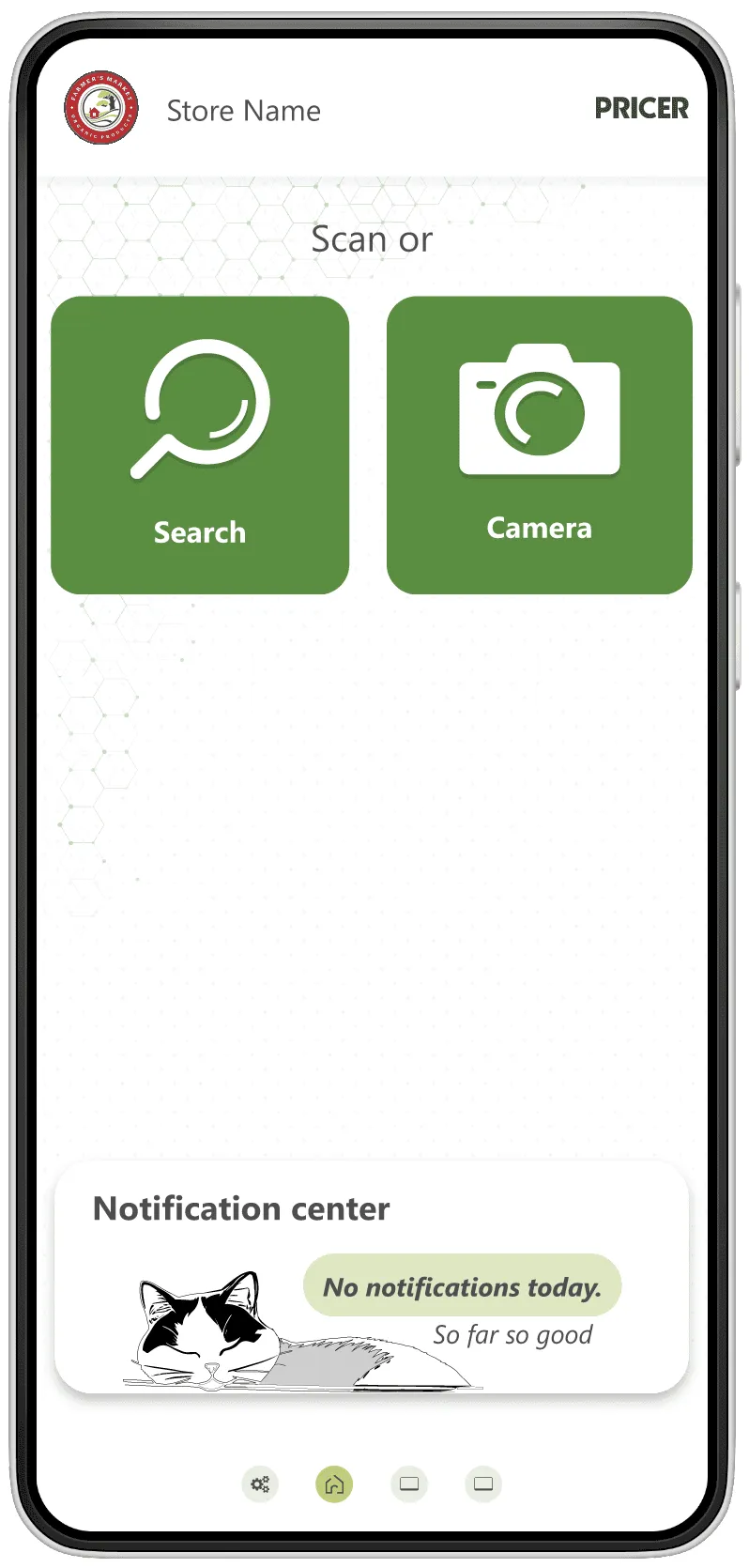
-75% time to link a product to a shelf label · Pilot group · Measured by the Product Owner, pilot stores
Removing a step moves the work to the system.
Trust the data, then check the floor
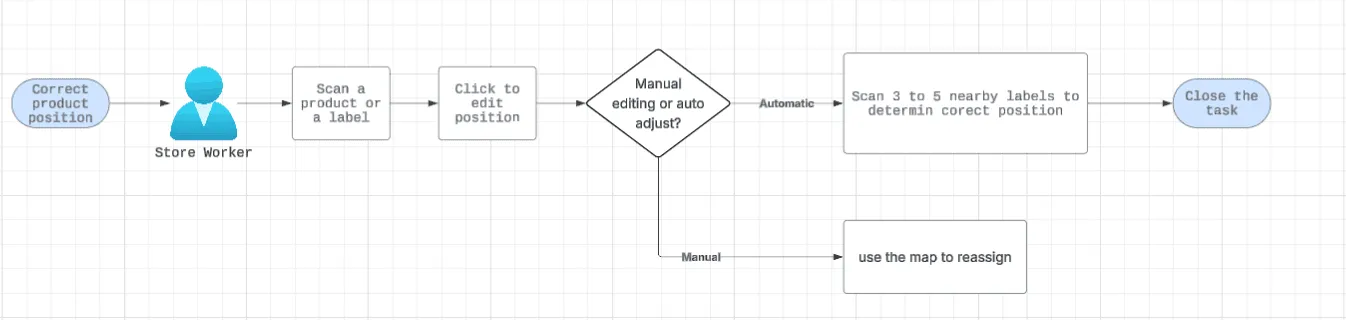
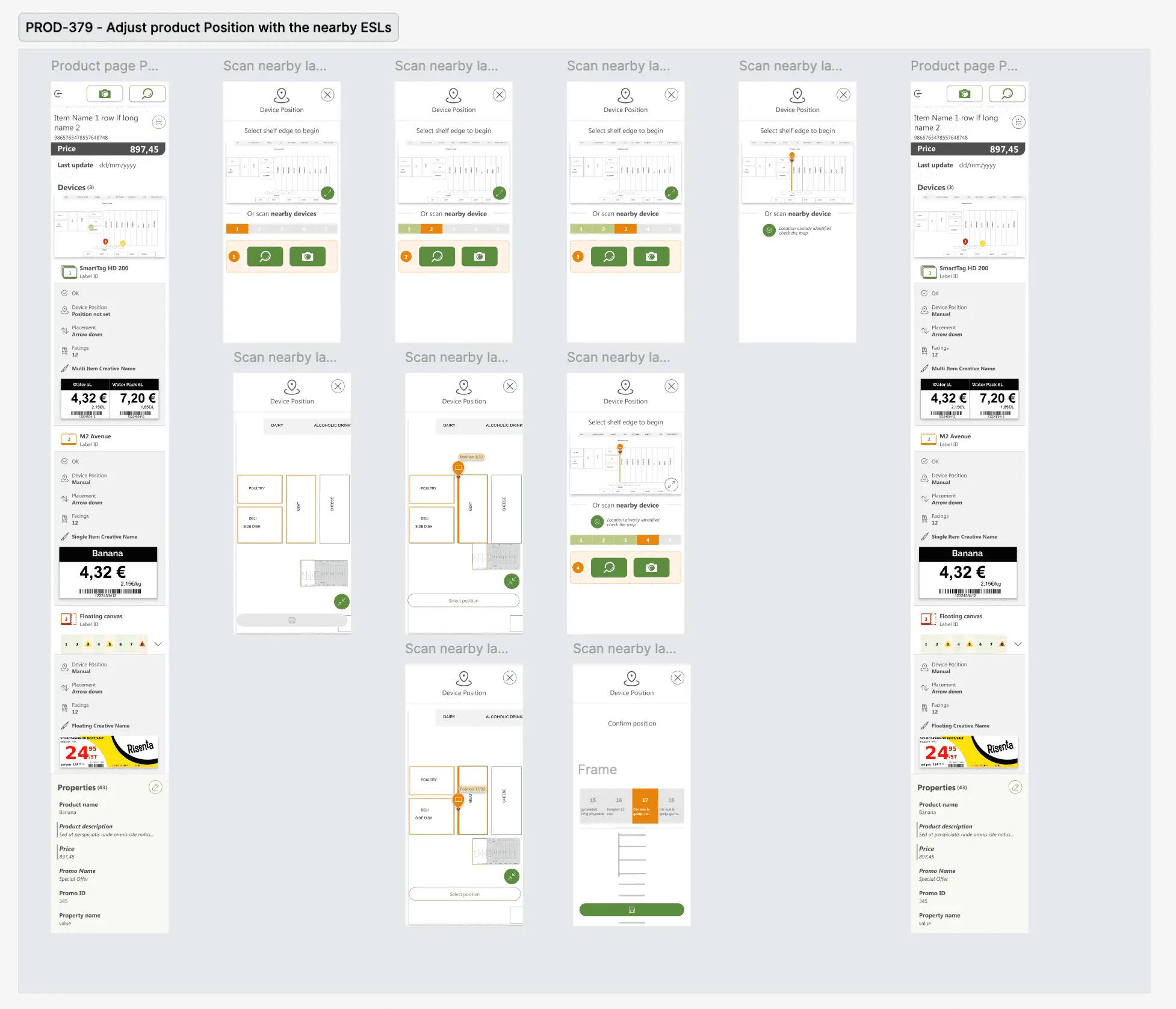
Analytics showed a secondary function drawing as much attention as the main one. I checked the data in stores and in interviews with users and stakeholders. Then I removed the buttons from the home screen and grouped the pages into clusters.
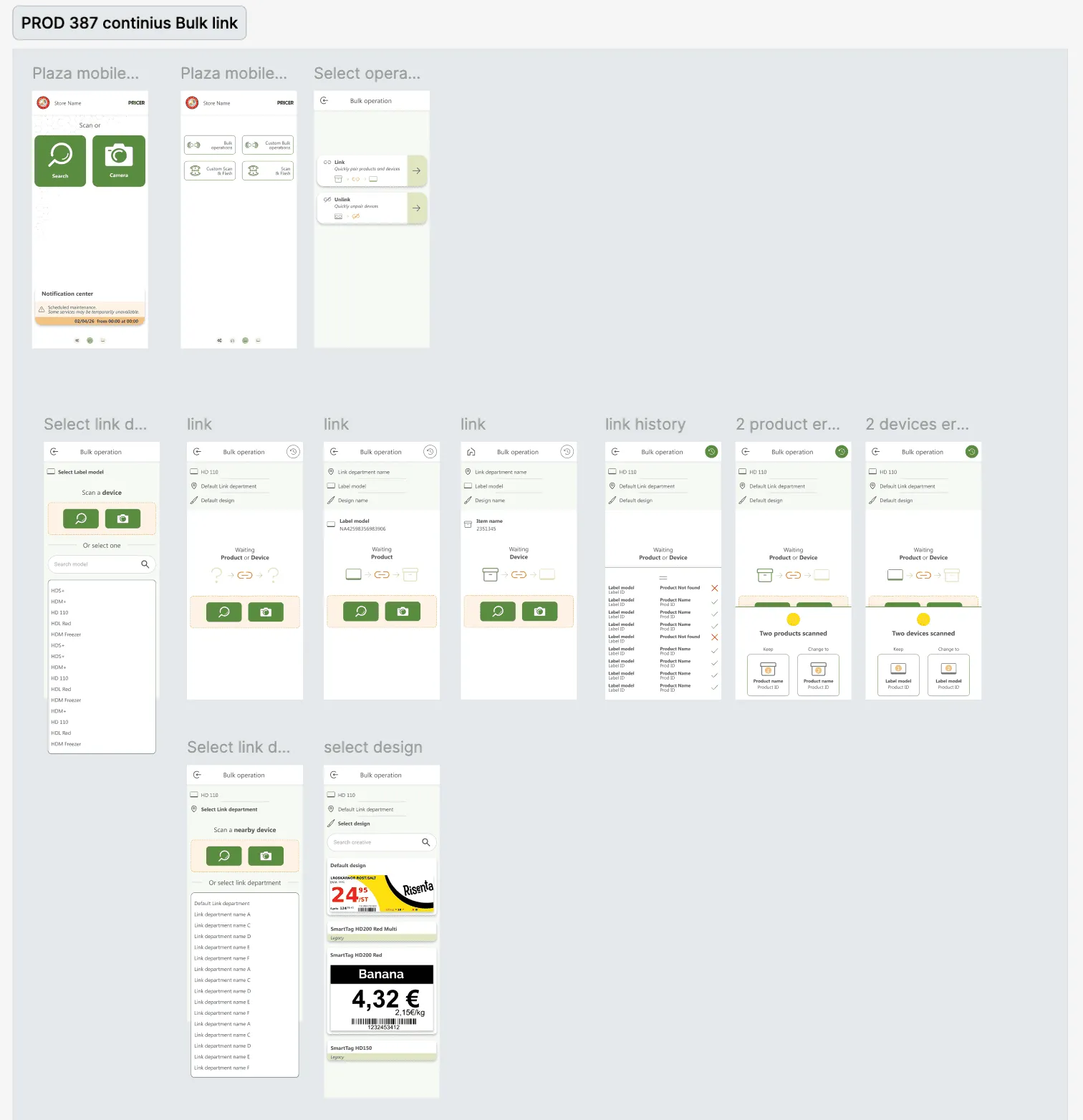
Design the default, then the exception
The product page shows what most operators need: they see the price but cannot change it. Journeys by store type showed that a small store, where the operator is also the manager, needs something else. With the team we built a web dashboard where managers and admins choose which properties appear, whether they are editable and how the value is entered.
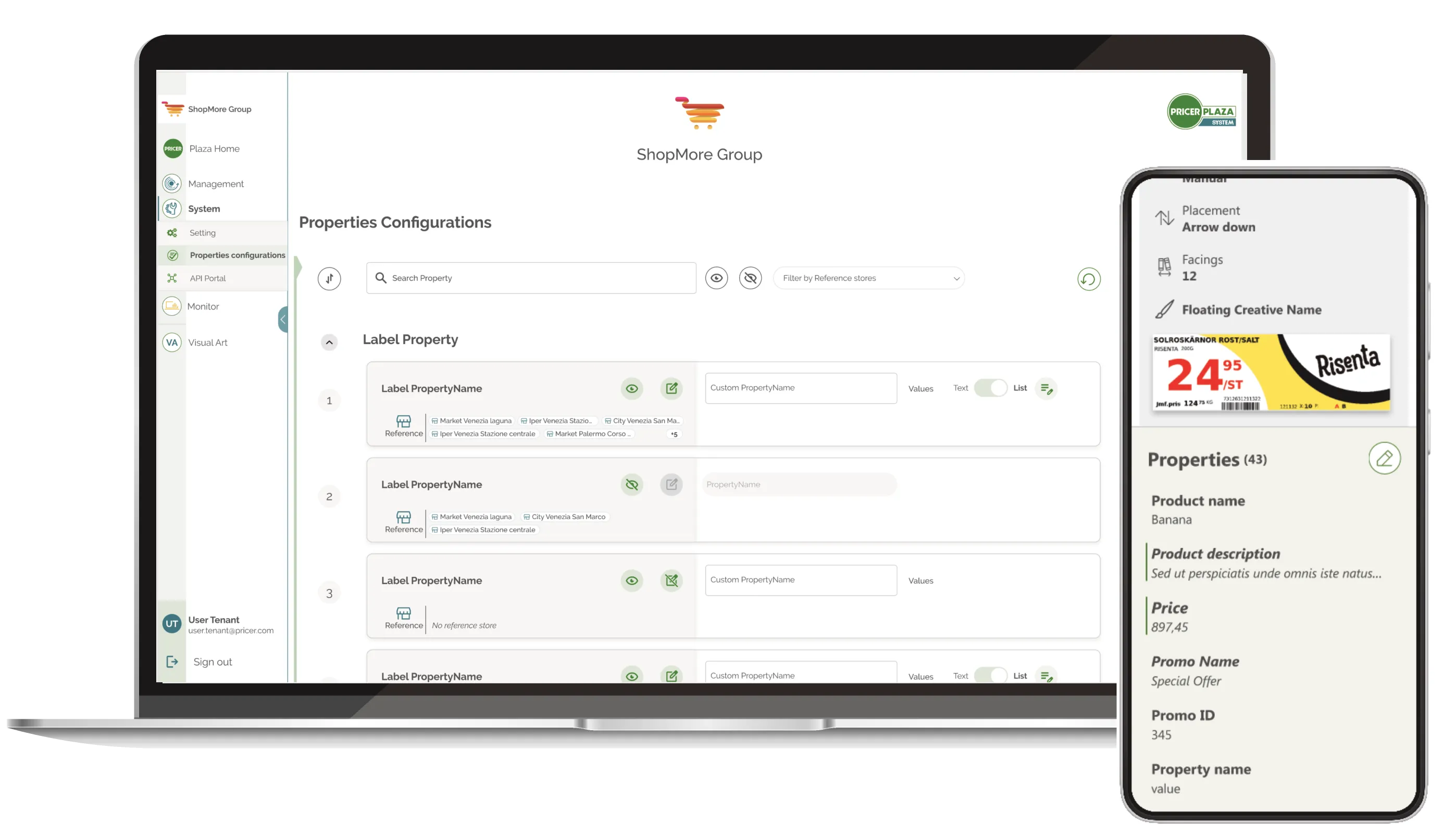
A default serves most people. The dashboard serves the exceptions.
Put the training where the task is
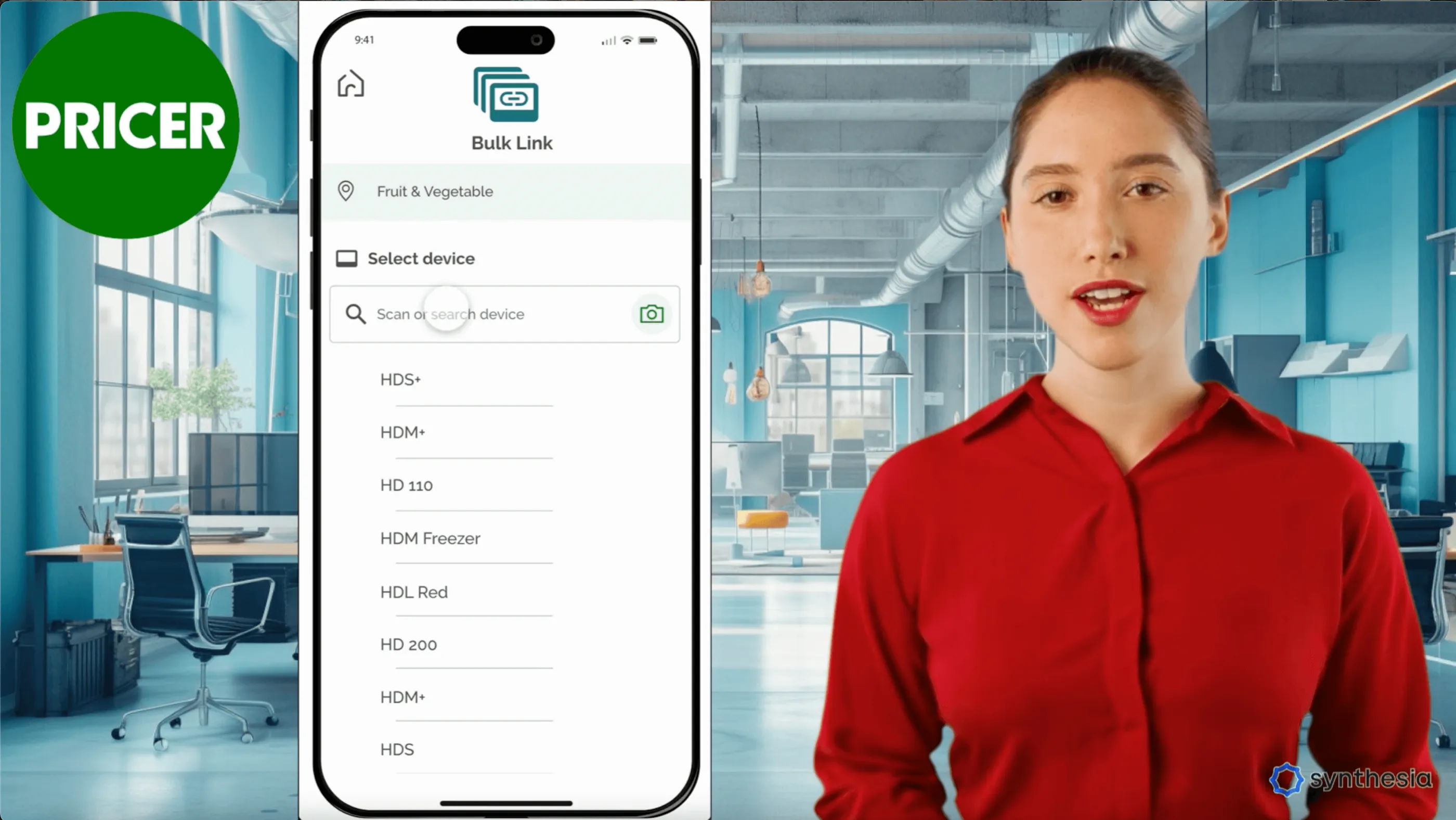
Training used to live in Academy, a library of PowerPoint decks. I proposed Coach Mode: in-app tutorials under 60 seconds, with a Synthesia avatar overlaid on a recording of the app, in vertical format. Coach Mode went into production, and no video was ever shot.
An AI agent spotted a problem in the bulk operations flow
In early 2026, one of the AI agents I use for microcopy, tone of voice and user flows, set up with the RACE framework, flagged long lists of transmitters in the bulk operations of installations and shelf reorganisations, and suggested grouping them. I took the idea to the Product Owner, checked technical feasibility with the product and development teams, then validated it with operators.
2 fewer clicks in bulk operations · Count · Step count before and after
“I'm looking forward to rolling this out in all our stores.”